
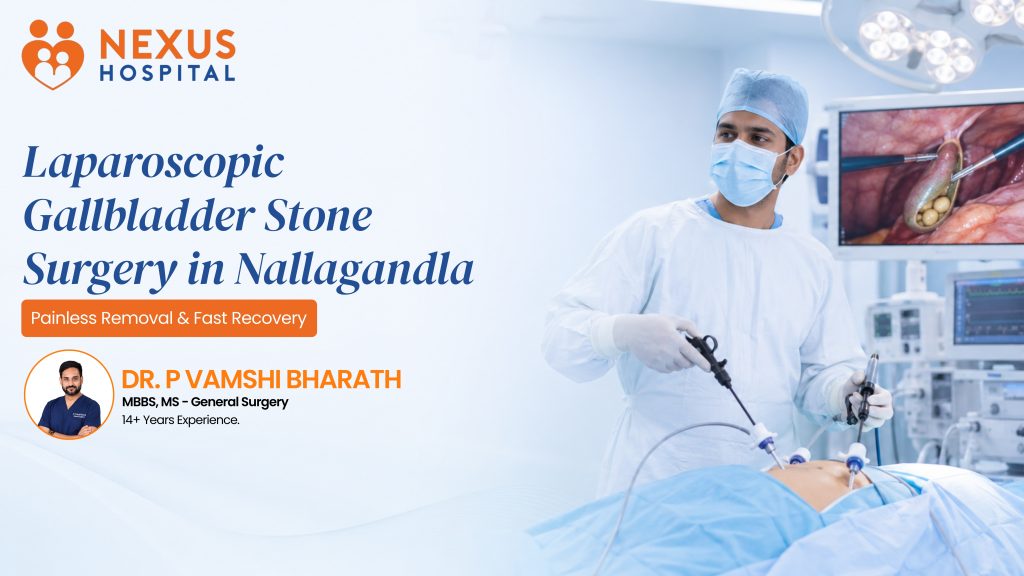
Gallbladder stones, also known as gallstones, are one of the most common digestive disorders affecting adults. While some people may never experience symptoms, others can develop severe abdominal pain, nausea, vomiting, and digestive discomfort that significantly impacts their quality of life.
Many patients ignore recurring pain, believing it is simple indigestion or acidity. However, untreated gallstones can lead to serious complications such as gallbladder inflammation, bile duct blockage, infection, or even pancreatitis.
Fortunately, advancements in minimally invasive surgery have made treatment safer and more comfortable. Laparoscopic gallbladder stone surgery in Nallagandla offers patients an effective solution with smaller incisions, less postoperative pain, shorter hospital stays, and faster recovery compared to traditional open surgery.
Dr. P. Vamshi Bharath specializes in advanced laparoscopic procedures and provides personalized treatment for patients suffering from gallbladder stone disease.
What Are Gallbladder Stones?
The gallbladder is a small, pear-shaped organ located beneath the liver. It stores bile, a digestive fluid that helps break down fats.
Gallstones develop when substances in bile, such as cholesterol or bilirubin, harden into small stones. These stones can range in size from tiny grains to larger stones capable of blocking the bile ducts.
Some individuals may have a single gallstone, while others develop multiple stones.
Common symptoms include:
- Sudden pain in the upper right abdomen
- Pain after eating fatty meals
- Nausea and vomiting
- Indigestion and bloating
- Pain that radiates to the back or right shoulder
- Fever if infection develops
- Jaundice in severe cases involving bile duct blockage
While some gallstones remain symptom-free, painful or complicated gallstones usually require surgical treatment.
What Causes Gallbladder Stones?
Several factors increase the likelihood of developing gallstones, including:
- High cholesterol levels
- Obesity
- Rapid weight loss
- Diabetes
- Pregnancy
- Family history
- Age over 40 years
- High-fat diet
- Sedentary lifestyle
Women are generally at a higher risk than men to develop gallstones due to hormonal influences.
When Should You Consider Surgery?
Not every gallstone requires immediate surgery. Small, silent gallstones discovered incidentally during scans may simply be monitored.
However, surgery is usually recommended if patients experience:
- Recurrent abdominal pain
- Gallbladder inflammation (Cholecystitis)
- Blocked bile ducts
- Pancreatitis caused by gallstones
- Infection
- Difficulty eating due to recurring symptoms
Delaying treatment may increase the risk of gallbladder rupture, severe infection, or emergency surgery.
Patients looking for the best laparoscopic surgeon in Nallagandla often seek an experienced specialist who can accurately diagnose the condition and recommend the most appropriate treatment.
What Is Laparoscopic Gallbladder Surgery?
Laparoscopic cholecystectomy is considered the gold standard treatment for symptomatic gallstones.
Instead of making one large incision, the surgeon performs the procedure using several tiny incisions through which a camera and specialized instruments are inserted.
The gallbladder containing the stones is removed safely without disturbing nearby organs.
The procedure is performed under general anesthesia and usually takes between 45 minutes and one hour, depending on the patient’s condition.
Benefits of Laparoscopic Gallbladder Surgery
Compared to conventional open surgery, laparoscopic surgery offers numerous advantages.
These include:
- Smaller incisions
- Less postoperative pain
- Minimal blood loss
- Lower infection risk
- Faster healing
- Shorter hospital stay
- Reduced scarring
- Earlier return to normal activities
- Faster recovery
Most patients are able to walk within a few hours after surgery and return home the same day or the following day, depending on their recovery.
Who Is an Ideal Candidate?
Laparoscopic surgery is suitable for most patients diagnosed with symptomatic gallstones.
Your surgeon may recommend surgery if you have:
- Frequent gallbladder attacks
- Chronic gallbladder inflammation
- Gallstones causing severe pain
- Gallbladder polyps with stones
- Recurrent digestive discomfort due to gallstones
- Gallstone-related complications
Before surgery, your doctor will evaluate your medical history, perform a physical examination, and recommend appropriate investigations.
Diagnosis of Gallbladder Stones
Accurate diagnosis helps determine the severity of the condition and the most suitable treatment plan.
Your surgeon may recommend:
- Ultrasound abdomen
- Blood tests
- Liver function tests
- CT scan (in selected cases)
- MRI or MRCP for complex bile duct conditions
Early diagnosis allows timely treatment before complications develop.
What Happens During the Procedure?
The surgery follows a standardized minimally invasive approach.
The procedure typically involves:
- Administration of general anesthesia.
- Small incisions are made in the abdomen.
- A laparoscope (tiny camera) is inserted.
- Specialized instruments are introduced through additional ports.
- The gallbladder is carefully separated from surrounding tissues.
- The gallbladder, along with the stones, is removed.
- The incisions are closed with small sutures.
The minimally invasive technique helps reduce tissue damage and promotes quicker recovery.
Recovery After Surgery
Recovery is generally smooth for most patients.
Patients are usually encouraged to:
- Walk within a few hours
- Resume light meals gradually
- Avoid heavy lifting for several weeks
- Follow prescribed medications
- Attend scheduled follow-up appointments
Many people can resume office work within one week, while strenuous physical activity may require a few additional weeks.
Following your surgeon’s advice helps ensure a safe and successful recovery.
Meet Dr P. Vamshi Bharath
MBBS, MS (General Surgery), FMAS
Fellowship in Laser Proctology
Dr. P. Vamshi Bharath is an experienced general and laparoscopic surgeon specializing in minimally invasive surgical procedures. With advanced training in laparoscopic surgery and laser proctology, he provides evidence-based care tailored to each patient’s condition.
His areas of expertise include:
- Laparoscopic Gallbladder Surgery
- Hernia Surgery
- Appendix Surgery
- Piles
- Anal Fissure
- Anal Fistula
- Pilonidal Sinus
- Laser Proctology
- General Surgical Procedures
His patient-focused approach emphasizes accurate diagnosis, minimally invasive techniques, faster recovery, and comprehensive postoperative care.
Why Choose Nexus Hospital?
Nexus Hospital offers advanced facilities for diagnosing and treating gallbladder diseases using modern laparoscopic techniques.
Patients receive comprehensive care from diagnosis through recovery.
Hospital advantages include:
- Experienced surgical team
- Modern operation theatres
- Advanced diagnostic facilities
- Minimally invasive surgical expertise
- Personalized treatment plans
- Safe postoperative care
- Convenient location in Nallagandla
The hospital is committed to delivering quality healthcare with a strong focus on patient safety and comfort.
Tips to Reduce the Risk of Gallstones
Although not all gallstones can be prevented, certain lifestyle changes may lower the risk.
Healthy habits include:
- Maintain a healthy body weight
- Avoid crash diets
- Exercise regularly
- Eat a balanced, high-fiber diet
- Reduce excessive fatty food intake
- Stay well hydrated
- Manage diabetes effectively
- Follow regular medical check-ups if you have risk factors
These measures support better digestive health and may reduce the likelihood of gallstone formation.
Frequently Asked Questions (FAQs)
1. Do all gallstones require surgery?
No. Gallstones that do not cause symptoms may not need immediate treatment. Surgery is generally recommended when gallstones cause pain, inflammation, or other complications.
2. Is laparoscopic gallbladder surgery painful?
The procedure is performed under general anesthesia, so you won’t feel pain during surgery. Most patients experience only mild discomfort afterward, which is usually well controlled with medications.
3. How long does recovery take after laparoscopic gallbladder surgery?
Most patients return to routine daily activities within one to two weeks, although complete recovery may vary depending on overall health and the complexity of the surgery.
4. Can I live normally without a gallbladder?
Yes. The liver continues to produce bile even after the gallbladder is removed. Most people can return to a normal diet and lifestyle after recovery.
5. What foods should I avoid after surgery?
Initially, it’s advisable to avoid oily, fried, and heavy meals. Gradually reintroduce foods as advised by your surgeon, while maintaining a balanced and healthy diet.
Take the First Step Toward a Pain-Free Life
Recurring abdominal pain should never be ignored, especially if it is caused by gallstones. Early diagnosis and timely treatment can prevent serious complications and help you return to your normal routine quickly.
If you’re considering laparoscopic gallstone surgery in Nallagandla, consulting an experienced surgeon can help you understand your treatment options and receive personalized care based on your condition.
With expertise in advanced laparoscopic procedures and patient-centered care, Dr. P. Vamshi Bharath is committed to providing safe, effective treatment with faster recovery and improved outcomes.
Book Your Appointment Today
Dr P. Vamshi Bharath,
Nexus Hospital
Plot 17/G, HUDA Layout, Nallagandla, Hyderabad – 500019
📞 Phone: 96764 79069
🌐 Website: https://drlaserpilescenter.com/
Schedule your consultation today for a comprehensive evaluation and advanced laparoscopic treatment for gallbladder stones.