
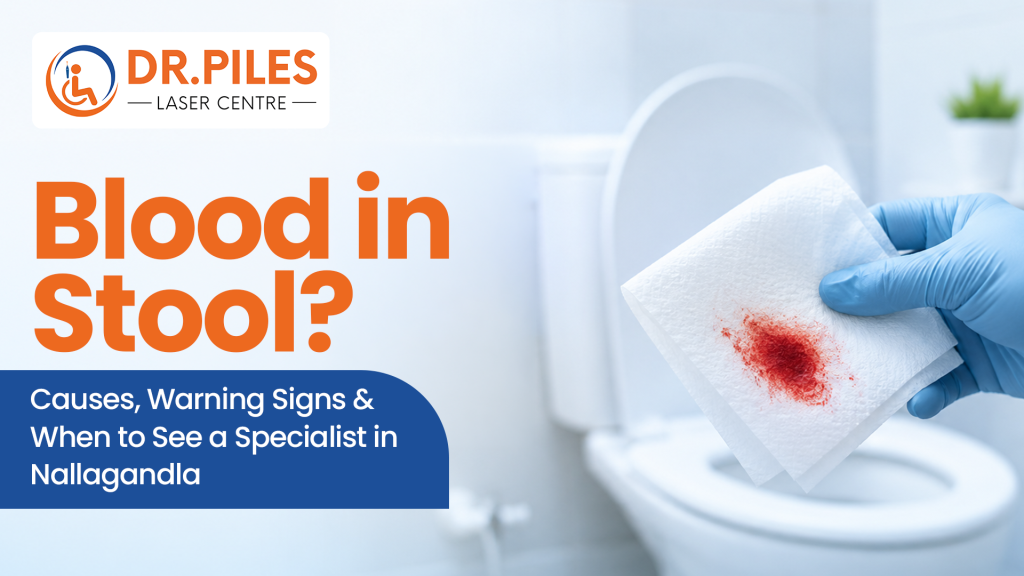
Noticing blood in your stool can be alarming. While it may be caused by a minor condition like hemorrhoids or an anal fissure, it can also be a warning sign of more serious digestive disorders that require prompt medical attention.
Many people ignore rectal bleeding due to embarrassment or assume it will resolve on its own. However, early diagnosis is essential because timely treatment can prevent complications and improve outcomes.
If you’re experiencing blood in stool in Nallagandla, consulting a qualified colorectal or general surgeon can help identify the underlying cause and ensure you receive the right treatment.
What Does Blood in Stool Mean?
Blood in the stool refers to bleeding anywhere along the digestive tract, from the esophagus to the rectum. The color of the blood often provides clues about where the bleeding is coming from.
Bright Red Blood
Usually indicates bleeding from the lower digestive tract, such as:
- Hemorrhoids (Piles)
- Anal fissures
- Rectal injuries
- Lower colon conditions
Dark Red or Maroon Blood
May indicate bleeding from the colon or small intestine.
Black, Tarry Stool (Melena)
Usually suggests bleeding from the stomach or upper digestive tract and requires immediate medical evaluation.
Common Causes of Blood in Stool
1. Hemorrhoids (Piles)
Hemorrhoids are swollen veins around the anus or lower rectum.
Symptoms include:
- Bright red blood during bowel movements
- Itching around the anus
- Pain while sitting
- Swelling or lump near the anus
This is one of the most common causes of painless rectal bleeding.
2. Anal Fissure
An anal fissure is a small tear in the lining of the anus, usually caused by passing hard stools.
Symptoms:
- Sharp pain during bowel movements
- Bright red blood on toilet paper
- Burning sensation
- Constipation
3. Constipation
Repeated straining while passing stool may damage the anal tissues, leading to bleeding.
People with chronic constipation are at higher risk of:
- Fissures
- Hemorrhoids
- Rectal irritation
4. Colon Polyps
Colon polyps are abnormal tissue growths inside the colon.
Although many are harmless, some can become cancerous if left untreated.
Symptoms may include:
- Blood in stool
- Changes in bowel habits
- Abdominal discomfort
5. Inflammatory Bowel Disease (IBD)
Conditions like:
- Ulcerative Colitis
- Crohn’s Disease
can cause inflammation and bleeding in the digestive tract.
Symptoms include:
- Bloody diarrhea
- Weight loss
- Abdominal pain
- Fatigue
6. Diverticular Disease
Small pouches (diverticula) can form in the colon wall and occasionally bleed.
Symptoms:
- Sudden painless bleeding
- Abdominal discomfort
- Fever (if infected)
7. Colorectal Cancer
Although less common, persistent rectal bleeding can be an early sign of colorectal cancer.
Early detection significantly improves treatment outcomes.
Symptoms include:
- Blood mixed with stool
- Weight loss
- Persistent constipation or diarrhea
- Fatigue
- Thin stools
Warning Signs You Should Never Ignore
Seek medical evaluation if you experience:
- Blood in stool repeatedly
- Large amounts of bleeding
- Severe abdominal pain
- Black or tarry stools
- Dizziness or fainting
- Unexplained weight loss
- Persistent constipation
- Bloody diarrhea lasting several days
- Fever with rectal bleeding
These symptoms may indicate a serious digestive condition requiring immediate attention.
How Is the Cause Diagnosed?
Your specialist may recommend:
Medical History & Physical Examination
- Duration of bleeding
- Stool color
- Pain assessment
- Medication history
Digital Rectal Examination
Helps identify:
- Hemorrhoids
- Fissures
- Rectal masses
Proctoscopy or Anoscopy
Used to examine the anal canal and lower rectum.
Colonoscopy
Recommended if:
- Bleeding is unexplained
- Age is over 45 years
- Family history of colorectal cancer
- Persistent symptoms
Blood Tests
To evaluate:
- Anemia
- Infection
- Inflammation
Treatment Depends on the Cause
For Hemorrhoids
- High-fiber diet
- Increased water intake
- Sitz baths
- Medications
- Laser piles surgery for advanced cases
For Anal Fissures
- Stool softeners
- Fiber supplements
- Warm water baths
- Topical medications
- Surgery if chronic
For Constipation
- Dietary changes
- Hydration
- Regular exercise
- Laxatives (only under medical guidance)
For Colon Polyps
- Colonoscopy with polyp removal
For Inflammatory Bowel Disease
- Anti-inflammatory medications
- Immune-modifying drugs
- Long-term follow-up
For Colorectal Cancer
Treatment may include:
- Surgery
- Chemotherapy
- Radiation therapy
- Targeted therapy
Early diagnosis offers the best chance of successful treatment.
Can Blood in Stool Be Prevented?
You can reduce your risk by:
- Eating plenty of fiber-rich foods
- Drinking 2–3 liters of water daily
- Avoiding prolonged constipation
- Exercising regularly
- Avoiding excessive straining during bowel movements
- Maintaining a healthy weight
- Limiting processed foods
- Undergoing screening colonoscopy when recommended
When Should You See a Specialist in Nallagandla?
Consult a specialist immediately if:
- Rectal bleeding occurs more than once
- Bleeding is heavy
- There is severe pain
- You notice black stools
- Symptoms persist for several days
- There is unexplained weight loss
- You have a family history of colorectal cancer
- You are over 45 years with new-onset rectal bleeding
Prompt evaluation helps identify the cause early and ensures timely treatment.
Frequently Asked Questions (FAQs)
1. Is blood in the stool always a sign of a serious condition?
No. Blood in the stool can be caused by common conditions such as haemorrhoids (piles) or anal fissures. However, persistent or recurrent bleeding should always be evaluated by a specialist to rule out more serious conditions like inflammatory bowel disease or colorectal cancer.
2. What color of blood in the stool is considered dangerous?
Bright red blood usually indicates bleeding from the lower digestive tract, while black, tarry stools may suggest bleeding from the upper digestive tract and require immediate medical attention.
3. Can constipation cause blood in the stool?
Yes. Passing hard stools and excessive straining can cause small tears (anal fissures) or aggravate hemorrhoids, leading to bright red blood during bowel movements.
4. When should I see a specialist for blood in the stool?
You should consult a specialist if the bleeding is recurrent, heavy, accompanied by severe pain, black stools, unexplained weight loss, changes in bowel habits, dizziness, or fatigue.
5. How is the cause of blood in the stool diagnosed?
A specialist may perform a physical examination and recommend tests such as anoscopy, proctoscopy, colonoscopy, stool tests, or blood tests to identify the source of bleeding.
Don’t Ignore Blood in Your Stool
Blood in the stool is never something to ignore. While many cases are due to treatable conditions such as hemorrhoids or anal fissures, persistent or recurrent bleeding may signal a more serious gastrointestinal problem.
If you notice rectal bleeding, seek expert evaluation rather than self-medicating. Early diagnosis leads to effective treatment, faster recovery, and peace of mind.
Book a consultation today. Call +91 9676479069
Visit our website: https://drlaserpilescenter.com/#about