
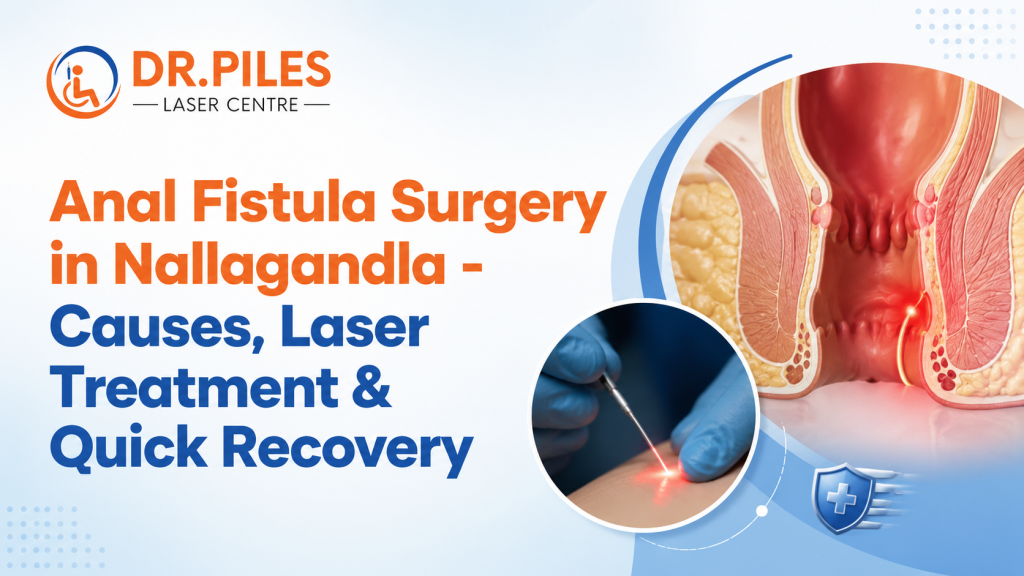
Anal fistula is a painful condition that can significantly affect your daily life if left untreated. Many people ignore the early symptoms due to embarrassment, but delaying treatment can lead to recurring infections, abscesses, and increased discomfort.It usually forms after an anal abscess (a collection of pus caused by infection) drains or bursts but fails to heal completely.
If you’re looking for anal fistula surgery in Nallagandla, modern laser treatment offers a minimally invasive option with less pain and quicker recovery for appropriately selected patients. Treatment depends on the fistula’s type and complexity, so evaluation by a qualified colorectal surgeon is essential.
Common Causes of Anal Fistula
The most common causes include:
- Previous anal abscess
- Infection of anal glands
- Crohn’s disease
- Tuberculosis (rare)
- Injury or trauma around the anus
- Previous anorectal surgery
- Radiation therapy (rare)
Symptoms of Anal Fistula
You may notice:
- Persistent pain around the anus
- Swelling or redness
- Pus or foul-smelling discharge
- Bleeding from the opening near the anus
- Recurrent abscesses
- Pain while sitting or during bowel movements
- Fever in case of infection
If these symptoms persist, consult a colorectal specialist without delay.
How is an Anal Fistula Diagnosed?
Diagnosis begins with a detailed discussion of your symptoms and a physical examination.
Your colorectal surgeon may recommend:
Physical Examination
The doctor examines the external opening and checks for swelling or discharge.
Digital Rectal Examination
A gentle finger examination helps assess internal abnormalities.
Proctoscopy
A small instrument allows visualization inside the anal canal.
MRI Fistulogram
MRI is considered one of the best imaging techniques for identifying the fistula tract and detecting branches or complex fistulas.
Endoanal Ultrasound
This may be used in selected cases to evaluate the anatomy of the fistula.
A thorough evaluation ensures the most appropriate treatment plan.
Laser Treatment for Anal Fistula
Laser fistula surgery is a minimally invasive technique where a laser fiber is used to seal the fistula tract while preserving surrounding tissues. It may be suitable for selected patients, although not every fistula can be treated with laser alone. The best approach depends on the fistula’s anatomy and your surgeon’s assessment.
Benefits of Laser Fistula Surgery
- Minimal pain
- Smaller wounds
- Less bleeding
- Short hospital stay
- Faster recovery
- Lower risk of damage to anal sphincter in appropriate cases
- Early return to work
Traditional Surgery vs Laser Surgery
| Feature | Traditional Surgery | Laser Surgery |
| Incision | Larger | Minimal |
| Pain | Moderate | Usually less |
| Bleeding | More | Less |
| Hospital Stay | 1–3 days | Often same day |
| Recovery | Longer | Usually quicker |
| Return to Work | 2–4 weeks | Often within days to 2 weeks, depending on the case |
Recovery varies depending on whether the fistula is simple or complex.
Recovery After Anal Fistula Surgery
Most patients recover well by following their surgeon’s instructions.
Recovery Tips
- Take prescribed medications regularly.
- Keep the surgical area clean.
- Take warm sitz baths several times a day if advised.
- Eat a high-fiber diet.
- Drink plenty of water.
- Avoid constipation.
- Avoid heavy lifting until cleared by your doctor.
- Attend follow-up appointments.
Can an Anal Fistula Heal Without Surgery?
Most anal fistulas do not heal on their own. Medications may temporarily reduce infection or inflammation, but definitive treatment usually requires a procedure such as fistulotomy, seton placement, LIFT, advancement flap, or laser treatment depending on the fistula type.
When Should You See a Specialist?
Seek medical attention if you have:
- Recurrent boils near the anus
- Persistent pus discharge
- Severe anal pain
- Bleeding with discharge
- Fever with anal swelling
- Difficulty sitting due to pain
Early treatment helps prevent complications and improves outcomes.
Why Choose Laser Treatment?
Laser treatment is increasingly preferred because it can offer:
- Better patient comfort
- Faster recovery
- Minimal tissue damage
- Reduced postoperative discomfort
- Early return to routine activities
However, the most appropriate treatment should always be chosen after evaluation by a colorectal surgeon.
Frequently Asked Questions (FAQs)
1. Is laser surgery painful?
Laser surgery is generally associated with less postoperative pain than traditional surgery, though some discomfort is still expected.
2. How long does recovery take?
Many patients return to routine activities within a few days to two weeks, but complete healing depends on the complexity of the fistula.
3. Can anal fistula come back after surgery?
Recurrence is possible, especially in complex fistulas or when underlying conditions are present, but appropriate treatment and follow-up help reduce the risk.
4. Is hospitalization necessary?
Many laser procedures are performed as day-care surgeries, although some complex cases may require a longer stay.
5. Is laser treatment suitable for everyone?
No. The suitability of laser treatment depends on the fistula’s type, location, and complexity. A colorectal surgeon will recommend the most appropriate treatment after evaluation.
Expert Laser Anal Fistula Treatment – Schedule Your Consultation
Anal fistula is a condition that should never be ignored. Persistent pain, discharge, or swelling around the anus often indicates an underlying fistula that requires professional evaluation. With advances in minimally invasive surgery, laser treatment can provide an effective option for selected patients, offering less pain, faster recovery, and improved comfort. Early diagnosis and timely treatment are the keys to preventing recurrent infections and restoring your quality of life.
Book a consultation today. Call +91 9676479069
Visit our website: https://drlaserpilescenter.com/#about